
Author: Zespół RC-Laser, specjaliści czyszczenia laserowego
Laser graffiti removal
Stripping paint from façades, metal and stone without repaint patches or harsh chemicals.
Laser removes graffiti from brick, plaster, stone and metal without damaging the substrate and without leaving a repaint “patch”. A dry method, no runoff, no solvents.
* A quote from a photo is preliminary and indicative. The firm price follows an inspection on site — only then are the layer thickness and the condition of the substrate visible.
Laser cleaning result
Drag slider to compare before and after
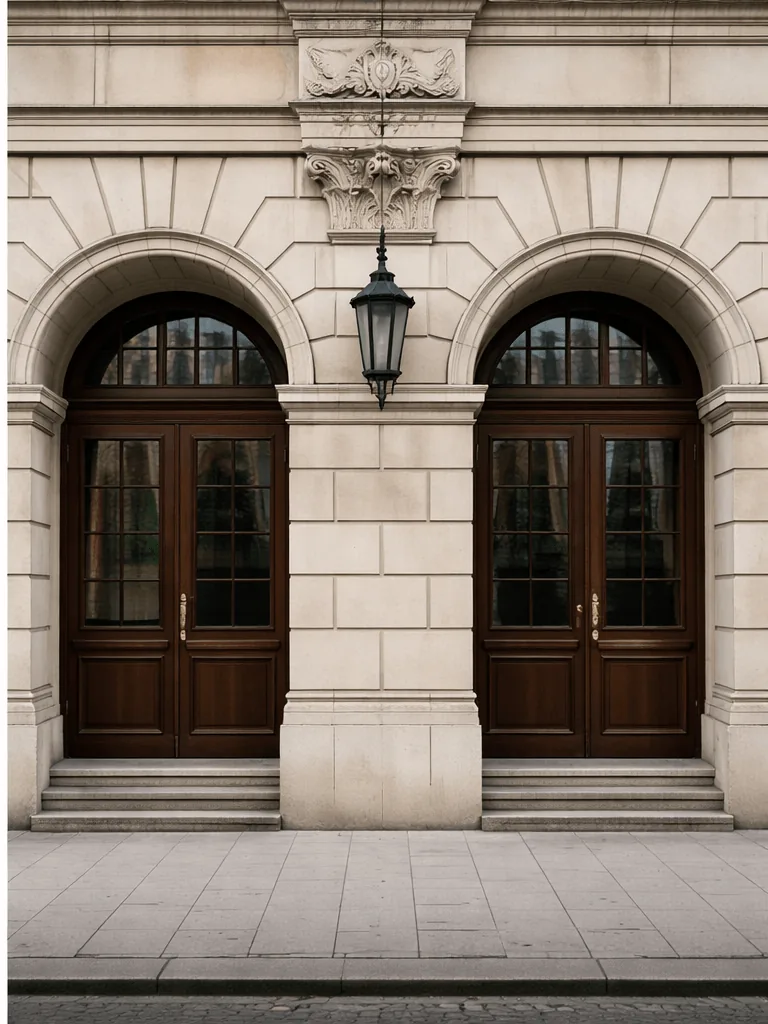
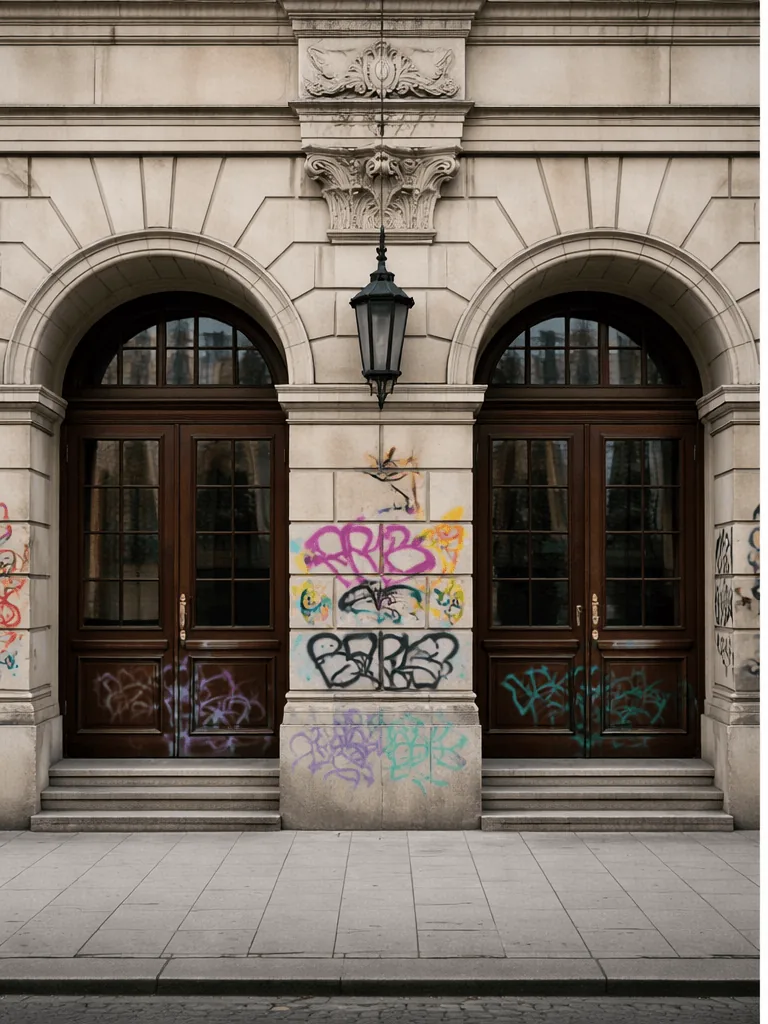
Problem — graffiti is hard to remove without a trace
Repainting leaves a visible patch, and chemical removers soak into porous substrates and leave streaks. Mechanical abrasion damages brick and plaster.
Solution — the laser's selective action
The laser vaporizes the paint layer while the substrate stays untouched. A dry method with no runoff, well suited to façades and sensitive surfaces.
Cleaning process step by step
Surface assessment
A photo and the type of surface, we agree the quote.
Test
A trial on a small section to select parameters.
Removal
We remove the graffiti from the whole surface, no trace left.
What we work on
We remove tags and pieces from brick, render, stone, concrete, metal, wood and painted surfaces. We handle acrylic spray, oil paints, permanent markers and layers built up over several seasons.
What this method will not do
Paint that has soaked deep into very absorbent render or fresh, unsealed concrete will not come off completely — a shadow remains. We say so before starting and show on a test patch what result is realistically achievable on that particular substrate.
Laser versus other methods
Against painting over: no rectangular patch in a different shade, which is itself an invitation for the next tag. Against chemical removers: no run-off down the facade, no streaking below and no need to mask windows and pavement for several metres around.
Time and how it runs
A single tag on a wall is usually one visit. Where the problem recurs, cleaning is worth combining with an anti-graffiti coating — we do not apply it ourselves, but we say when it makes sense, because the next clean of the same wall then costs far less.
Graffiti removal from a brick façade.
A colourful tag on porous brick, previously repainted without success.
Frequently asked questions
Will there be a trace after removal?
▼
With the right parameters, no. The laser lifts the paint and the substrate stays clean, with no “patch”.
Does it work on brick and plaster?
▼
Yes. The method suits porous substrates, where chemicals leave streaks.
Do you need water or power on-site?
▼
We bring our own power supply. The method is dry, with no runoff.
How much does graffiti removal cost?
▼
The price depends on the surface and substrate. Send a photo for a preliminary estimate — the firm price follows an inspection, because absorbency decides the pace.
Free consultation
Describe your project and we'll arrange a free consultation.
* A quote from a photo is preliminary and indicative. The firm price follows an inspection on site — only then are the layer thickness and the condition of the substrate visible.