
Author: Zespół RC-Laser, specjaliści czyszczenia laserowego
Laser cleaning and restoration of headstones
Gentle removal of biofilm, moss and grime from terrazzo, granite and marble, no chemicals, no scrubbing.
Laser removes biological growth, dirt and discoloration from headstones without contact, restoring the stone's appearance without disturbing the lettering or the polish. Safe for terrazzo, granite and marble.
* A quote from a photo is preliminary and indicative. The firm price follows an inspection on site — only then are the layer thickness and the condition of the substrate visible.
Laser cleaning result
Drag slider to compare before and after
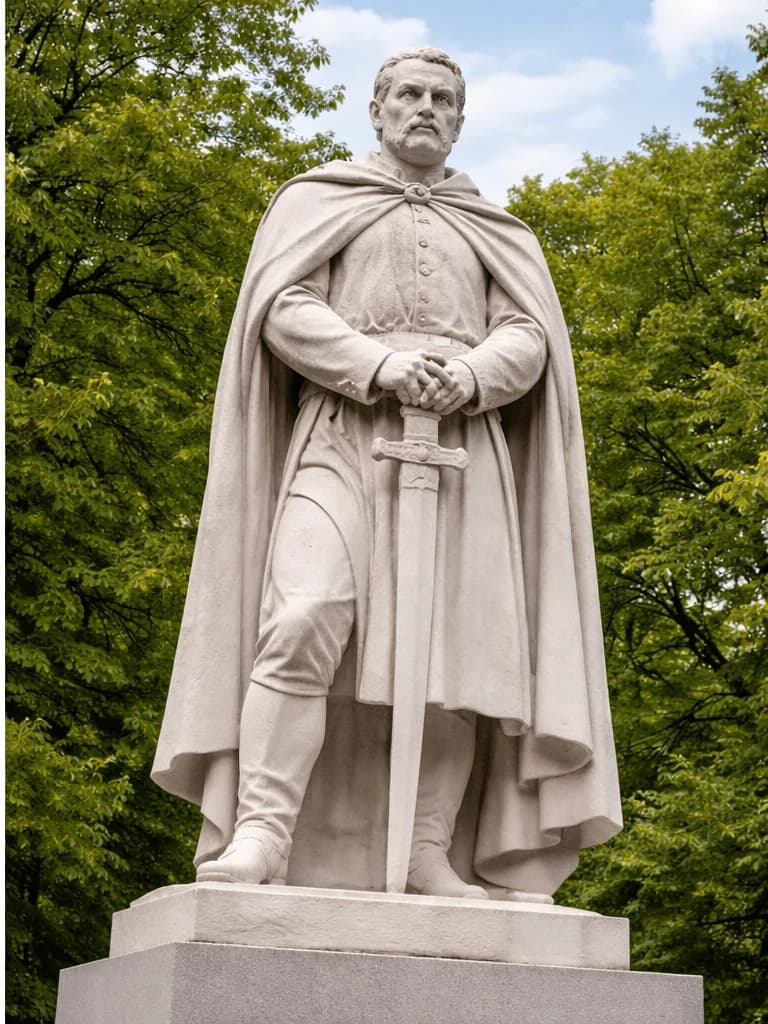
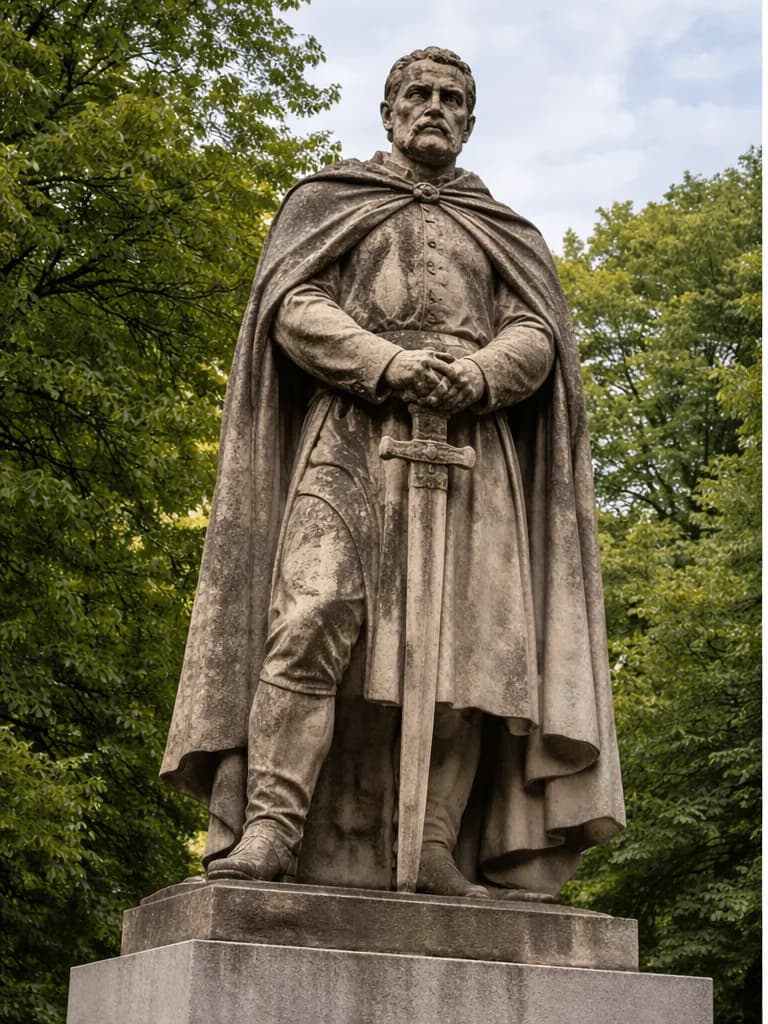
Problem — stone greys and grows over
Headstones gradually get covered in moss, algae, dust and discoloration. Scrubbing and chemicals can damage the polish and the lettering's fill, and the result is often uneven.
Solution — safe restoration
The laser works without contact, removing only the layer of grime while preserving the stone's structure and the gilding of the lettering. Ideal for delicate and historic headstones.
Cleaning process step by step
Assessment
A photo of the headstone, we agree the scope and the quote.
Cleaning
We remove grime and growth from the whole surface with the laser.
Detail work
We refresh the lettering and finish.
What we work on
We work on terrazzo, granite, marble, sandstone and concrete, as well as on metal lettering, crosses and frames. We remove green growth, moss and lichen, atmospheric deposits, soot from grave lights, residue from pastes and silicones, and staining from leaves and resin.
What this method will not do
The laser will not restore gilding or paint in the lettering — after cleaning you can see exactly what survives, and that is the moment to decide about renewing it. Nor do we remove stains that have penetrated absorbent terrazzo; there the realistic result is lightening, not a return to the day it was installed.
Laser versus other methods
Against brushing and pastes: the polished surface is not matted, so the memorial does not come out of cleaning brighter but dull. Against chemicals: nothing runs onto neighbouring graves or the surroundings, which in a cemetery is a practical matter, not only an environmental one.
Time and how it runs
A single memorial is usually one visit. We work without water and, where there is no supply, without local power, and we leave the site tidy — the only waste is the dust collected by the extractor at the head.
Restoration of a granite headstone after years of neglect.
Surface covered in biological growth and discoloration, lettering faded.
Frequently asked questions
Won't the laser damage gilded lettering?
▼
We match the parameters to the detail. Around gilding we work carefully or avoid it, to preserve the finish.
Do you work at the cemetery?
▼
Yes, we bring mobile equipment and clean the headstone on-site.
Is it safe for marble?
▼
Yes. The method is contactless and needs no chemicals or scrubbing that could dull marble.
How much does headstone cleaning cost?
▼
It depends on the material and size. Send a photo for a preliminary estimate — the firm price follows once we see the memorial.
Free consultation
Describe your project and we'll arrange a free consultation.
* A quote from a photo is preliminary and indicative. The firm price follows an inspection on site — only then are the layer thickness and the condition of the substrate visible.