
Author: Zespół RC-Laser, specjaliści czyszczenia laserowego
Laser metal cleaning
Precise removal of rust, oxides and paint from metal surfaces
IPG Photonics pulsed laser removes rust, oxides, paint and oils from metal without damaging the base material. We work mobile across Poland.
* A quote from a photo is preliminary and indicative. The firm price follows an inspection on site — only then are the layer thickness and the condition of the substrate visible.
Laser cleaning result
Drag slider to compare before and after
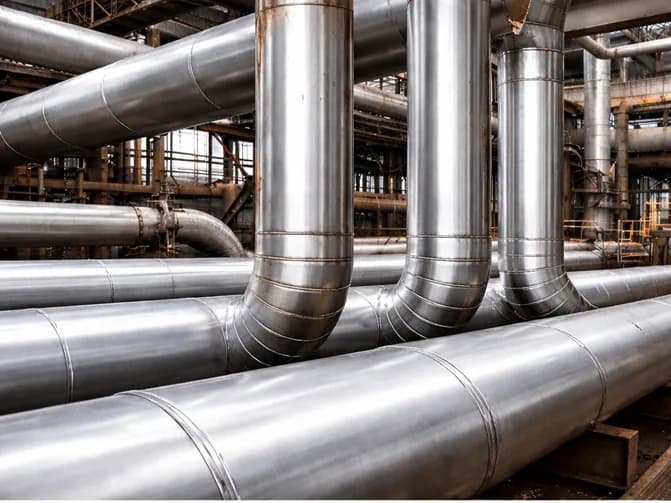
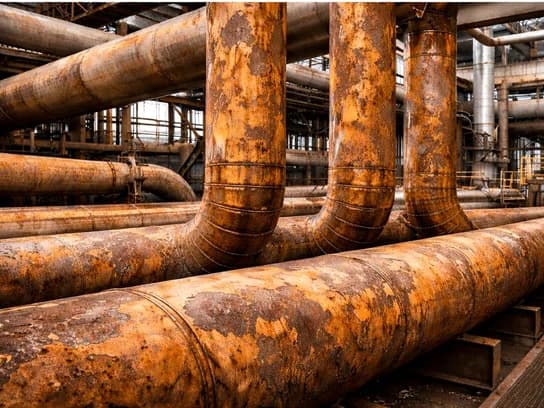
Problem — corrosion and contamination on metal surfaces
Rust, oxides, old paint and oil deposits significantly shorten the lifespan of steel structures. Traditional cleaning methods are time-consuming and often damage the metal structure.
How laser solves this problem
Pulsed laser works on the ablation principle — the laser beam is absorbed by the contamination layer, which evaporates at about 1500°C. The base metal reflects the beam and remains undamaged.
Cleaning process step by step
Surface assessment
We analyze the type of contamination and select laser parameters.
Laser cleaning
Precise removal of contamination without damaging the metal.
Quality control
We check the result and document it photographically.
What we work on
We work on carbon and stainless steel, aluminium, cast iron, copper and brass. The laser handles rust, mill scale, oxides, oils, greases and most paint coatings. The thinner and darker the layer, the faster it comes off — light, thick powder coating can need two passes.
What this method will not do
On large flat sheets covered in an even, thick layer of rust, sandblasting is often cheaper and faster, and we say so when quoting. The laser wins where no abrasive may end up in threads and bores, where thin sheet must not distort, or where the structure cannot be dismantled.
Laser versus other methods
Against sandblasting: no abrasive to clear up and no grit in bearings or guideways. Against chemicals: no neutralising step and no waste to dispose of. Against grinding: no material loss and no disc marks, which matters on fitted parts.
Time and how it runs
Throughput depends mostly on layer thickness. Light bloom and oxides come off quickly, thick layered rust far more slowly. That is why we clean a test patch before a larger job and calculate the total from it — an estimate from a photo alone can mislead.
Laser cleaning of industrial stainless steel machine
A machine from a production facility corroded during sea transport. Traditional sandblasting was impossible due to electronic components.
Frequently asked questions
Will the laser damage the metal during cleaning?
▼
No — the pulsed laser selectively removes only the contamination layer. Metal reflects laser energy and remains undamaged.
What metals can be cleaned with laser?
▼
Laser effectively cleans steel, stainless steel, aluminum, copper, brass and other metals.
How quickly do you perform metal cleaning?
▼
Most orders are completed within 24-48 hours of quote acceptance.
What's the difference between laser cleaning and sandblasting?
▼
Sandblasting generates dust and waste. Laser works contactlessly, is more precise and doesn't damage sensitive parts.
Free consultation
Describe your project and we'll arrange a free consultation.
* A quote from a photo is preliminary and indicative. The firm price follows an inspection on site — only then are the layer thickness and the condition of the substrate visible.