
Author: Zespół RC-Laser, specjaliści czyszczenia laserowego
Facade and monument cleaning
Gentle restoration of stone, brick and sandstone
Pulsed laser safely removes contamination from historic facades without risk of damaging the delicate material structure.
* A quote from a photo is preliminary and indicative. The firm price follows an inspection on site — only then are the layer thickness and the condition of the substrate visible.
Laser cleaning result
Drag slider to compare before and after
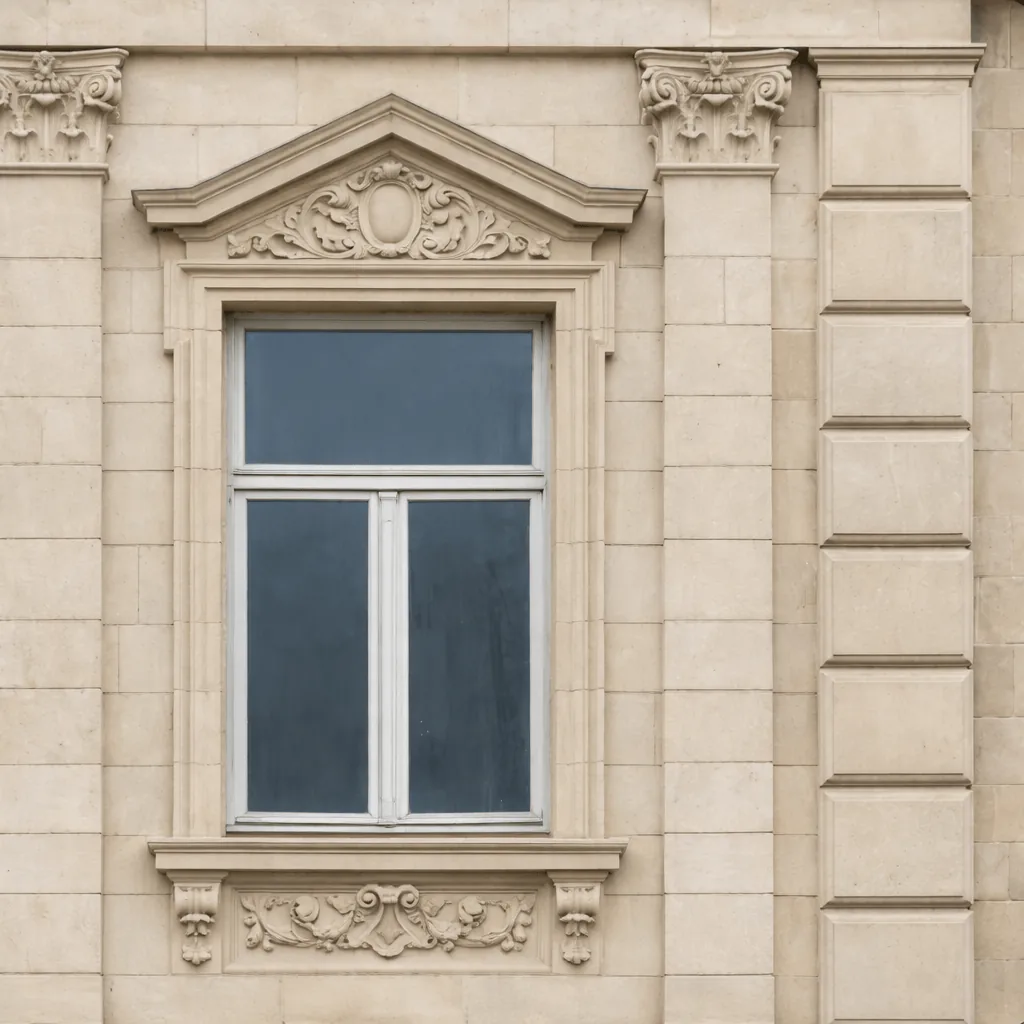
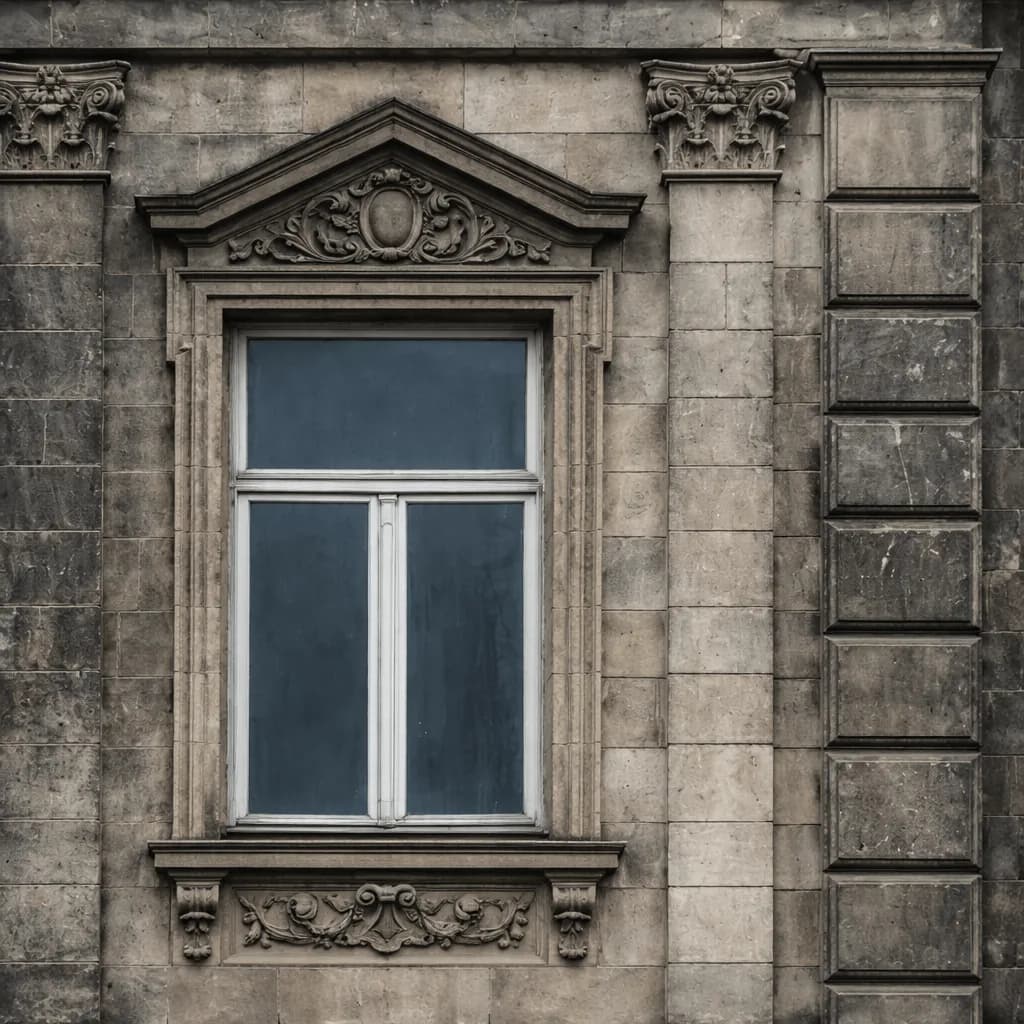
Problem — contamination destroys historic facades
Exhaust fumes, algae, graffiti and biological deposits degrade historic facades. Traditional chemical and mechanical methods often cause damage.
Solution — precision and gentleness of laser
Pulsed laser removes contamination layer by layer, without mechanical contact and without chemicals. Ideal for monument conservation.
Cleaning process step by step
Expertise
We examine substrate and contamination types.
Test cleaning
Trial cleaning on a small fragment.
Restoration
Cleaning entire surface while preserving age patina.
What we work on
We work on ceramic and engineering brick, sandstone, limestone, granite, mineral renders, architectural concrete, plaster detailing and metal elements. We remove sulphate crusts, soot, algae, old paint coatings, mortar residue and graffiti.
What this method will not do
Not every mark is a removable layer. Discolouration that has penetrated porous stone, and rust staining from a corroding anchor inside the wall, will remain — in the second case the sensible order is to repair the anchor first, then clean the face.
Laser versus other methods
Against sand and wet blasting: it does not abrade the brick face or a sculpted profile and does not wash out the joints, so it does not create another scope of work. Against wet methods: no water driven into the wall before the frost season and no streaking on the facade below.
Time and how it runs
On listed buildings, a test patch on an agreed section and parameters matched to the specific crust are standard. We talk to the conservation officer before, not after — documentation from the test usually settles doubts faster than any description of the method.
Restoration of historic tenement
19th century tenement with brick facade covered in years of exhaust deposits and algae. Heritage conservator required non-invasive method.
Frequently asked questions
Is laser suitable for monument cleaning?
▼
Yes — pulsed laser is recommended by heritage conservators. The method is non-invasive and leaves no traces.
Can graffiti be removed with laser?
▼
Yes — laser effectively removes graffiti paint from stone, brick and plaster without damaging the substrate.
How does laser handle biological deposits?
▼
Laser eliminates algae, moss and lichens along with their root systems, which delays reappearance.
Does laser cleaning require heritage permit?
▼
For objects in the heritage register yes. We help prepare application documentation.
Free consultation
Describe your project and we'll arrange a free consultation.
* A quote from a photo is preliminary and indicative. The firm price follows an inspection on site — only then are the layer thickness and the condition of the substrate visible.